

what food neutralizes stomach acid from the stomach aids in digestion, however when it backs up in to the esophagus, it causes irritation. When you swallow, your lower esophageal sphincter (a ring of muscle at the bottom of your throat) closes to avoid stomach acid and food from entering the esophagus.
The acidity of the stomach could be reduced by eating certain foods. Add them to your daily diet and avoid the ones that cause heartburn.
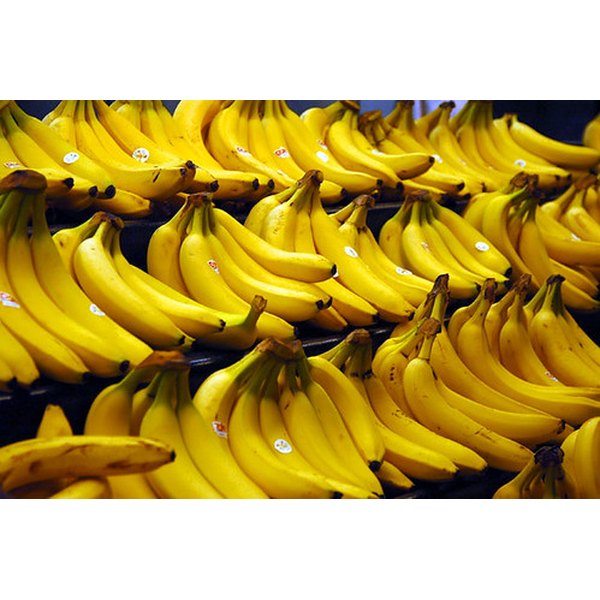
Bananas
Bananas' mild acidity makes them a highly effective remedy for acid reflux and gastrointestinal distress. They help keep the stomach and esophagus healthy given that they contain a lot of potassium and natural fiber. The fruit's high magnesium content also aids in neutralizing acid production and reducing the discomfort connected with acid reflux disorder. foods that neutralize acid are a fantastic option for a healthy breakfast or snack since they are high in fiber, contain a variety of essential vitamins and minerals, and are gentle on the digestive system.
Brown rice is another healthy option that might help with GERD. It includes beneficial nutrients including fiber, iron, and B vitamins. It is a better option than processed carbs, which might make you feel nauseous and give you heartburn.
Cucumber, being truly a low-acid food, supports the prevention of acid reflux disorder by keeping the stomach and intestines well hydrated. Vitamin C and potassium, both within abundance, are known to reduce acidity in your body. foods that neutralize acid are versatile and may be used in lots of different ways.
what to eat to neutralize stomach acid , like bananas, are another item that's low in acid and could aid with acid reflux disorder. Magnesium, which is present in abundance in melons like watermelon, cantaloupe, and honeydew, really helps to neutralize stomach acid output and reduce acid reflux symptoms.
Oatmeal
Oatmeal's dietary fiber and water content work together to protect the esophagus from stomach acid and relieve irritation. Soluble and insoluble fiber interact to do double duty in keeping you full. In so doing, you may avoid the acid reflux that often follows a big meal.
Acid from the stomach helps break down food, but it should remain there rather than make its way back up into the esophagus, where it may cause irritation. The lower esophageal sphincter, a ring of muscle at the bottom of the neck that contracts to avoid stomach contents from entering the esophagus, is responsible for this protection. Regrettably, certain meals cause this contraction and, thus, heartburn. This is often associated with diets saturated in saturated fat, such as those within bacon and beef, chocolate, fried meals, and whole milk dairy products. In addition, it may be made worse by consuming acidic foods and drinks, such as for example citrus fruits and juices, tomatoes and tomato derivatives, vinaigrette salad dressings, and pineapple.

Heartburn that occurs often could be an indicator of a more severe condition, such as Gastroesophageal Reflux Disease (GERD). Frequent acid reflux?more than twice per week?should prompt a trip to the physician. Various diagnostic procedures and therapeutic options are available from our gut health specialists.
Food and Drink
Although stomach acid is essential for digestion, it may cause irritation to the esophagus if it flows backwards. The low esophageal sphincter is really a ring of muscle at the back of your throat that acts such as a valve, preventing acid from your stomach from entering your esophagus. However, there are some meals and behaviors that could cause acid to ascend into the esophagus, leading to heartburn and the accompanying discomfort and burning sensation.
Try switching to less acidic meals like bananas and oatmeal in the event that you suffer from heartburn on a regular basis. Milk could be helpful, but drinking dairy could make your symptoms worse, so try switching to skim or fat-free. Since it forms a protective barrier in the middle of your stomach and the acid, milk might give quick rest from heartburn symptoms.
Green vegetables along with other healthful complex carbs, like rice or couscous, are great sources of fiber to increase your diet. If you're trying to avoid acid reflux, try roasting your vegetables rather than boiling or steaming them. Herbs, which are naturally lower in acidity, could also be used to boost the taste of these foods. However, acidic salad dressings ought to be avoided since they might make symptoms more worse. You should also stay away from acidic foods like oranges, grapes, and berries.
Ginger
Heartburn is really a painful and unpleasant condition caused by gastric acid rising up into the esophagus. Alkaline, fiber-rich, and anti-inflammatory foods including bananas, oats, ginger, green vegetables, milk, and water help neutralize mild acidity. Instead of using OTC acid reflux disorder medicine, try eating these food types instead.
Ginger, an aromatic root, is an efficient natural anti-inflammatory that eases stomach discomfort and gas. As well as relieving the inflammation that leads to heartburn, it provides relaxing effects on the esophagus. Raw ginger could be eaten, looked after makes an excellent tea when steeped in warm water. Soups and stir-fries are two further applications.
Apple cider vinegar is another natural antacid that may be blended with water and used to fast alleviate acid indigestion. While this beverage has many health benefits, it is crucial to keep in mind that drinking an excessive amount of it could cause indigestion.
A modest glass of unsweetened coconut water may also be helpful in quelling gastric acid. Coconut water's high potassium content neutralizes the acidity of your body and soothes stomach acid-related irritation. Natural remedies include chewing gum after meals to increase saliva production and reduce the risk of acid reflux in the esophagus. However, sugar-free gum is recommended for optimal tooth health.